Automated Test Bench for Automotive PDU
Automated test bench for automotive Power Distribution Units featuring HV testing up to 1500V, Kelvin measurements up to 100A, CAN bus testing and a safety system compliant with industry regulations.
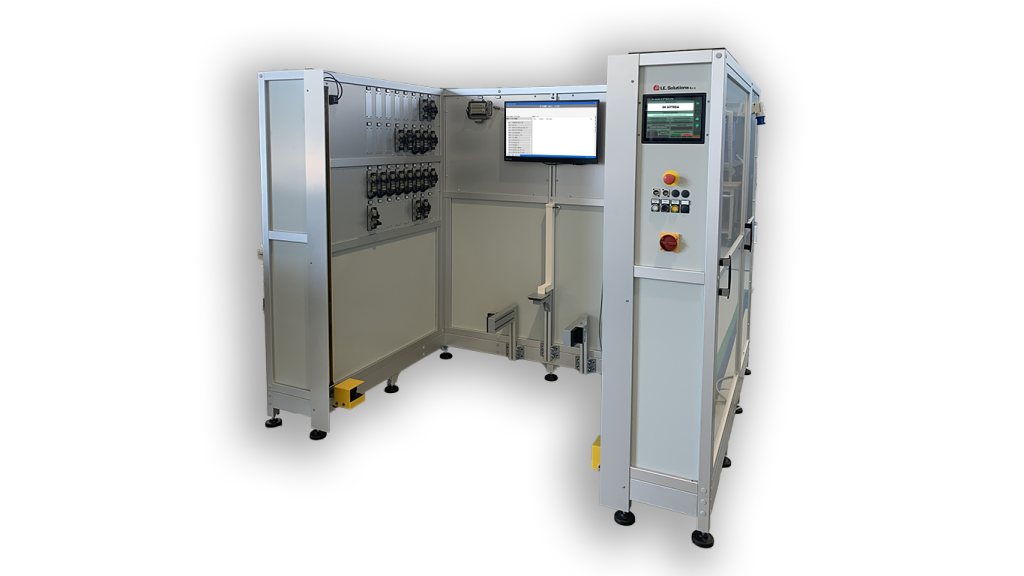
System Overview
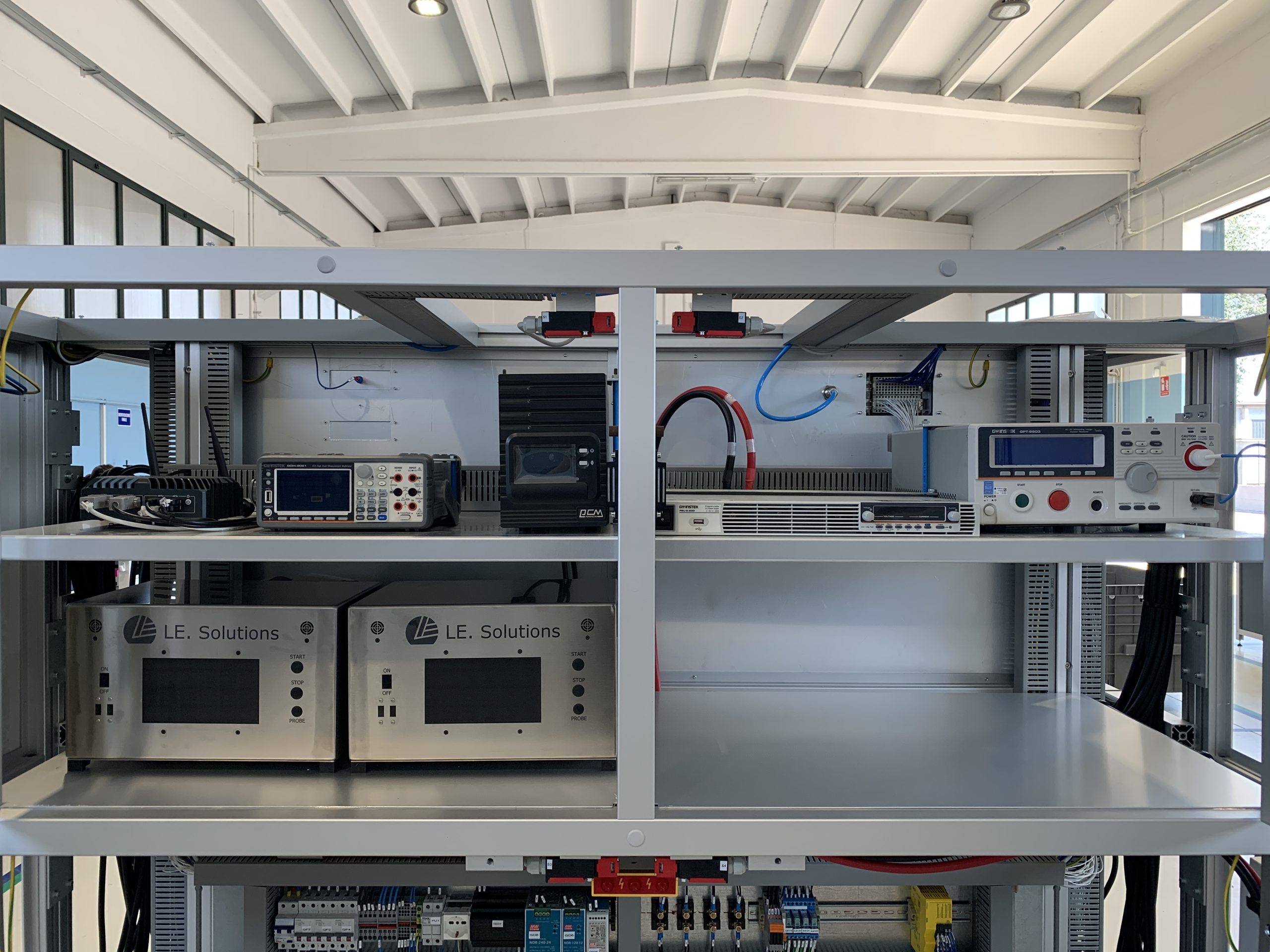
Automated test system designed for the complete testing of Power Distribution Units (PDUs) for electric and hybrid vehicles. The bench integrates precision instrumentation for high and low voltage electrical testing, power measurements, functional verification of components and CAN communication testing, all managed by test software with complete result traceability.
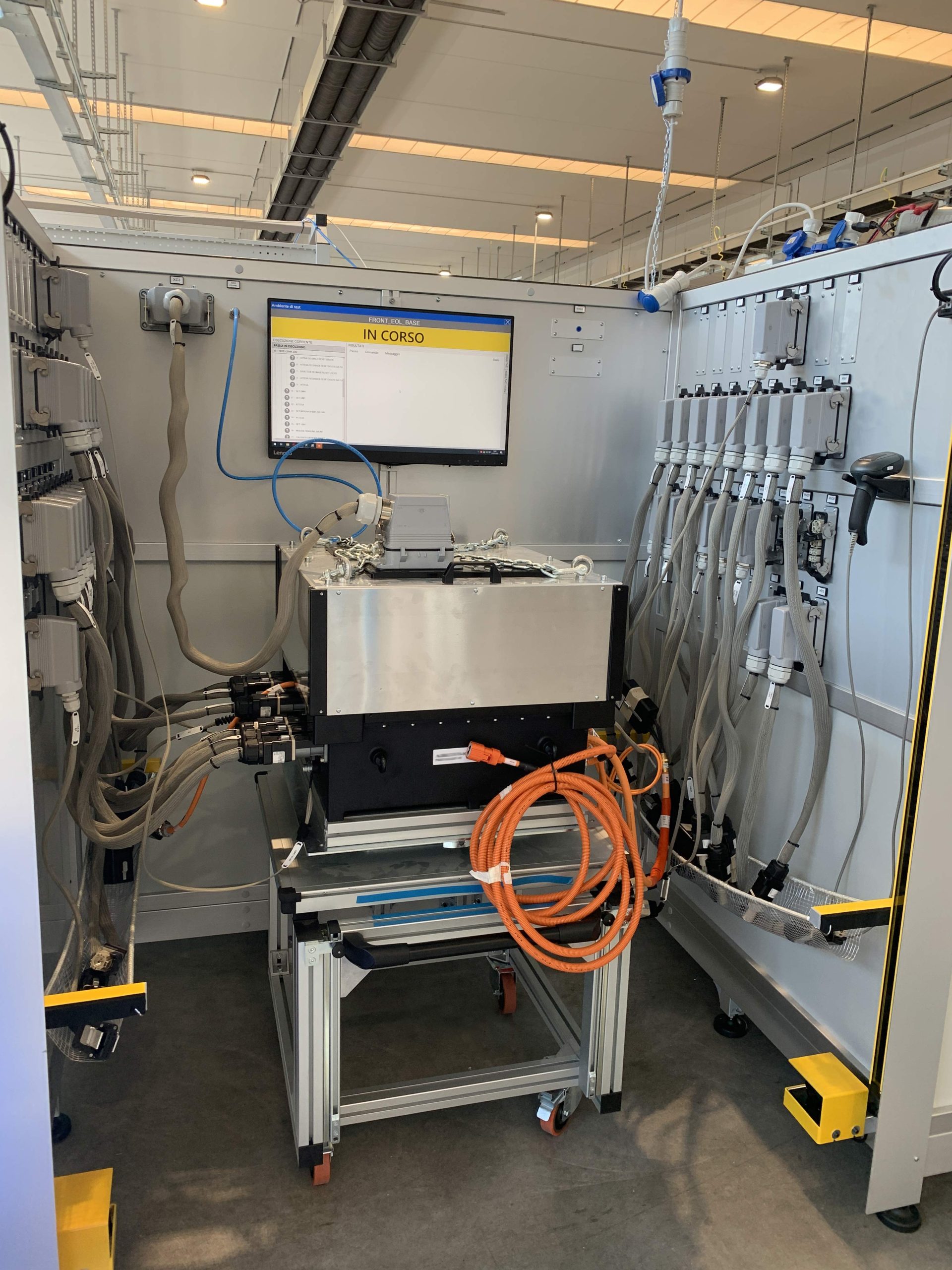
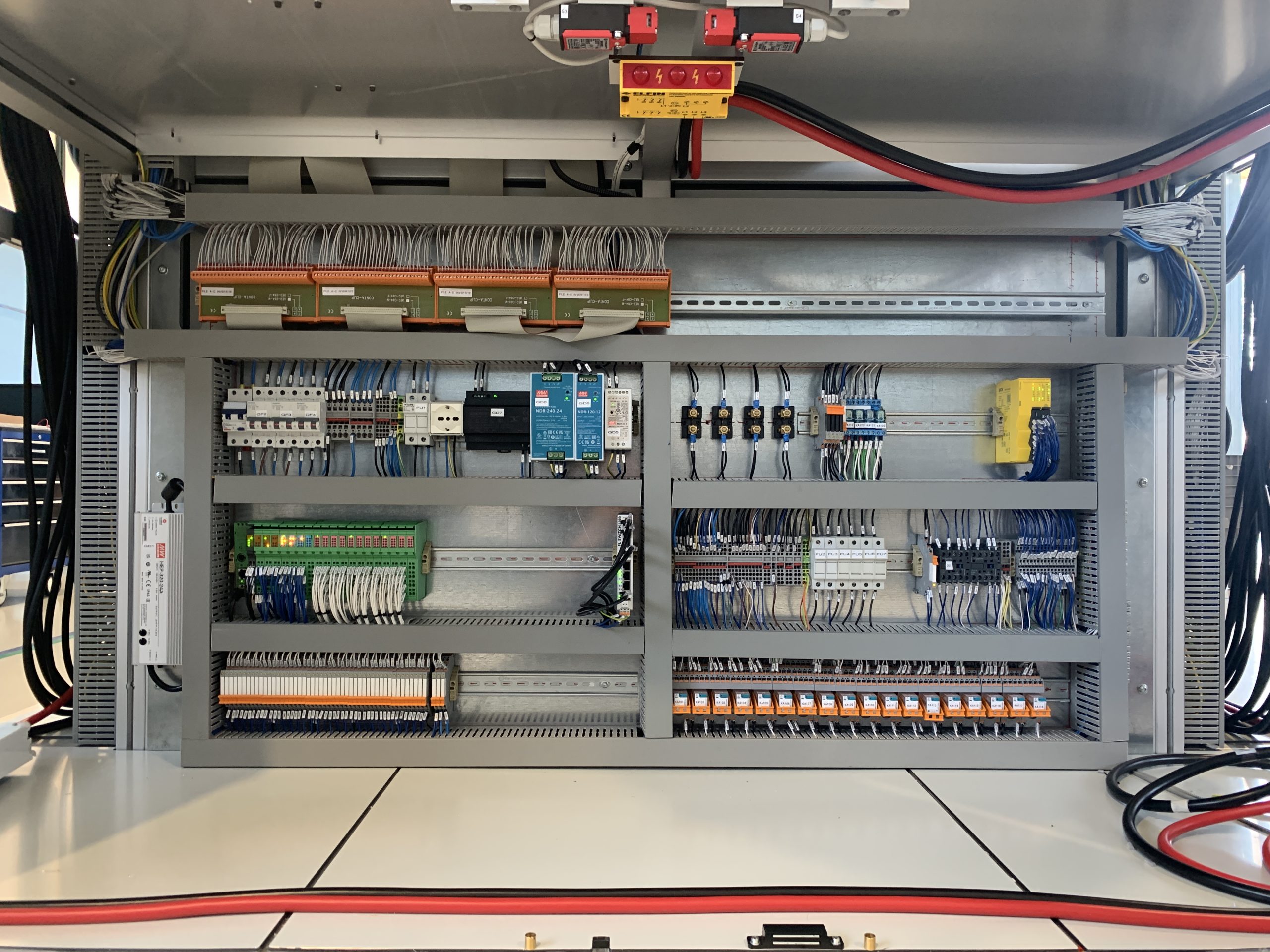
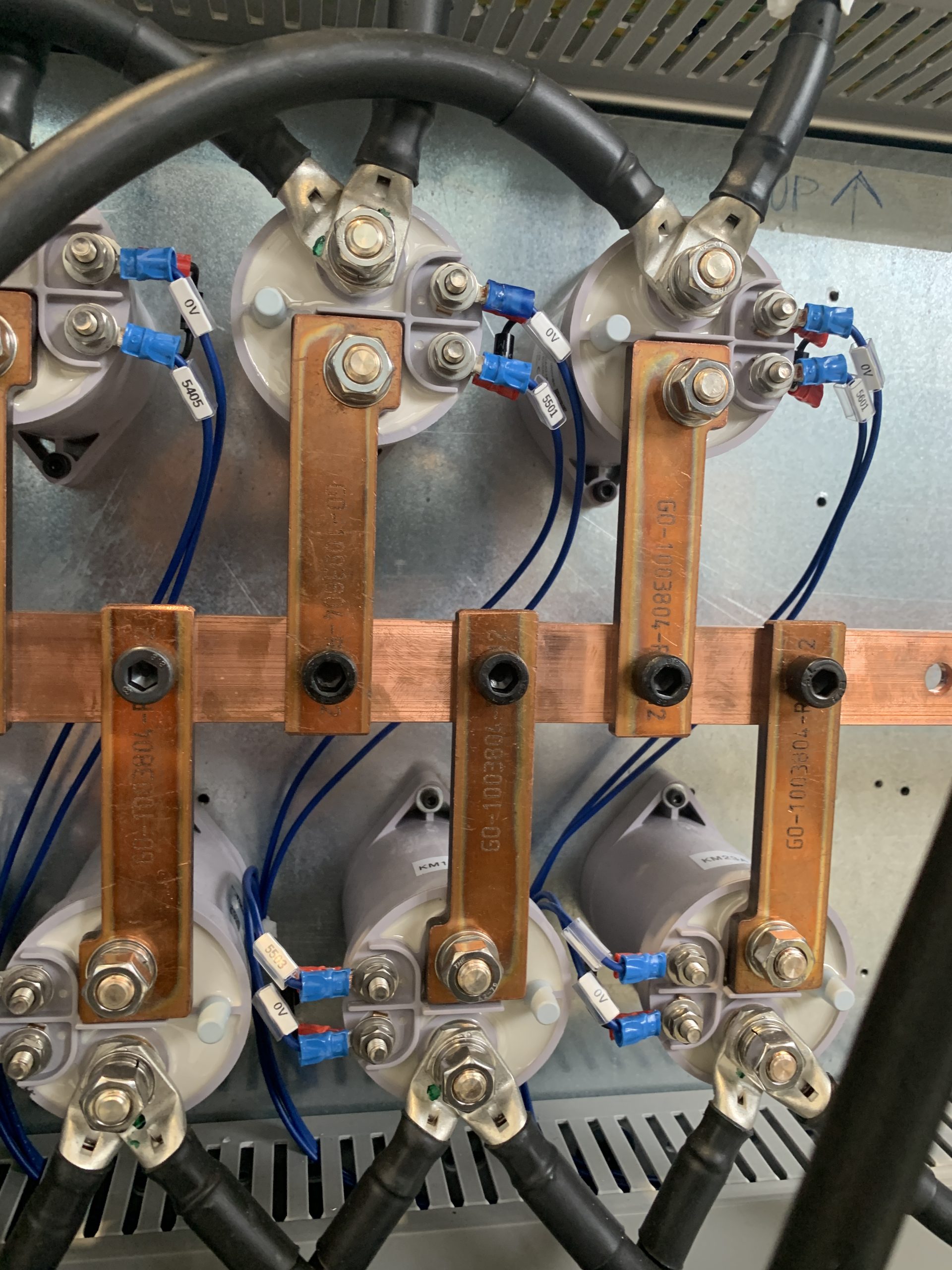
Mechanical Architecture and Configuration
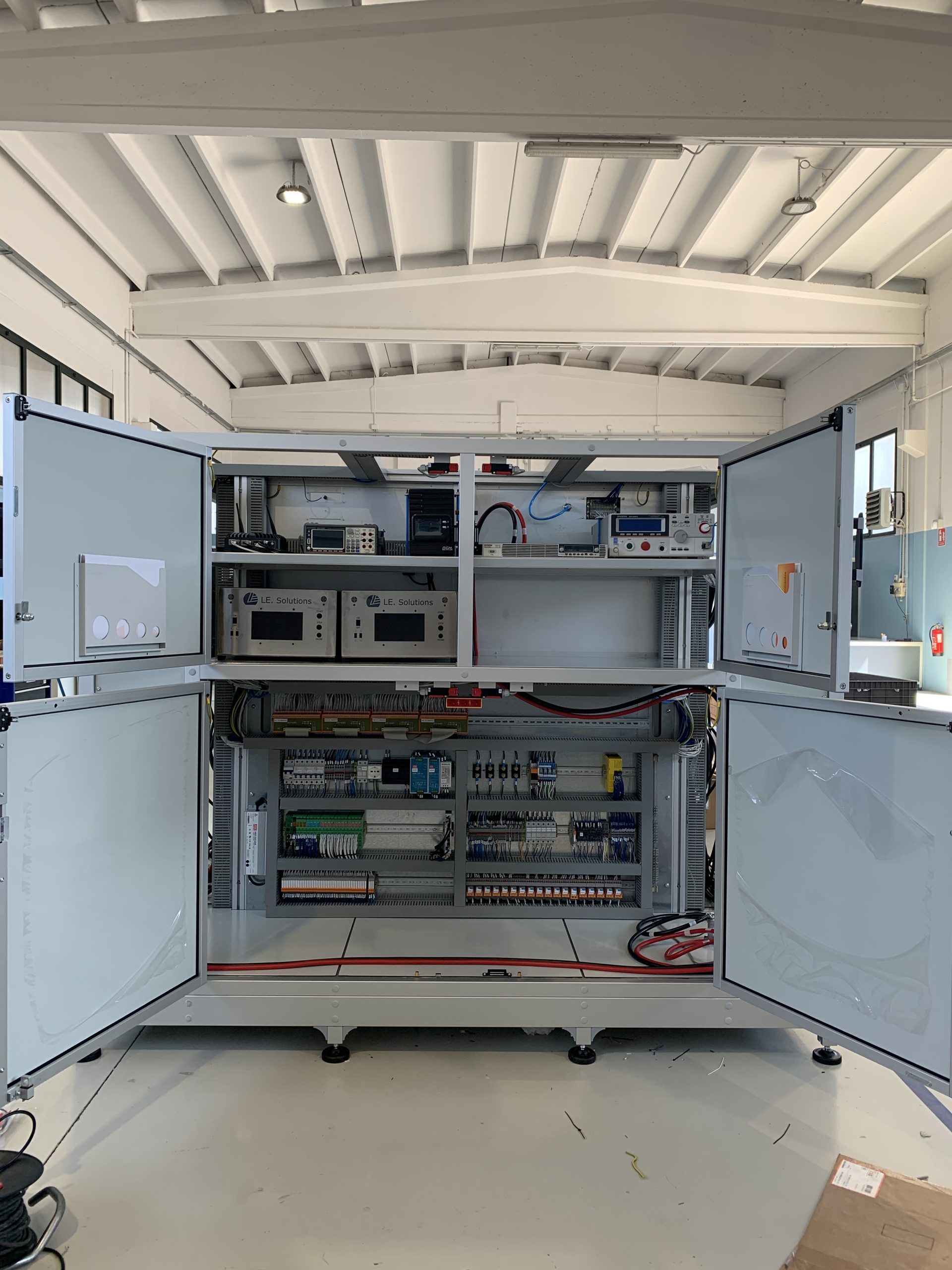
The bench adopts a “C” shaped mechanical configuration with the work area completely enclosed within the structure. Access to the test zone is through a single entry point controlled by redundant safety systems.
Structural features:
- Load-bearing structure in aluminium profiles
- Delimited and segregated work area
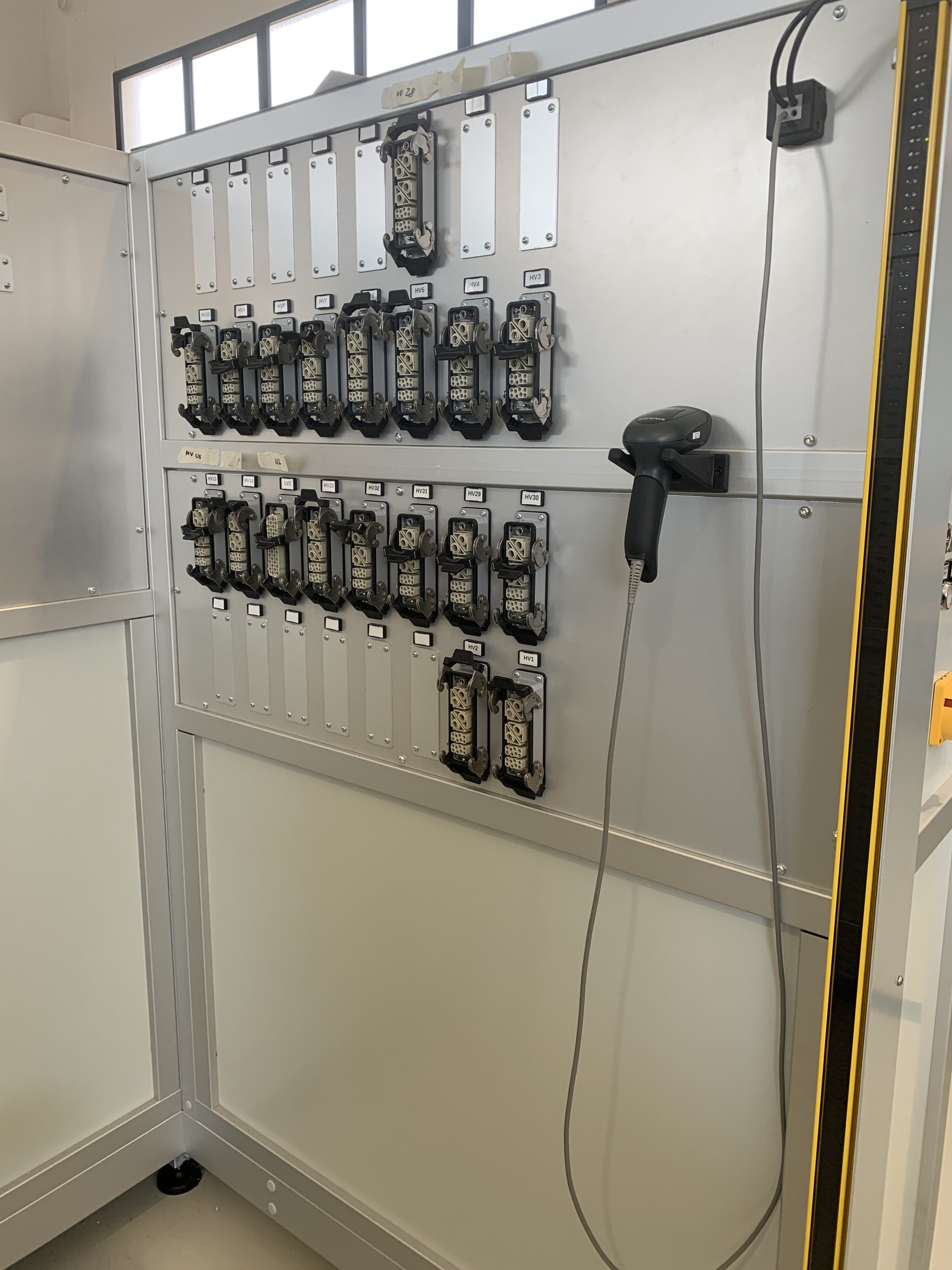
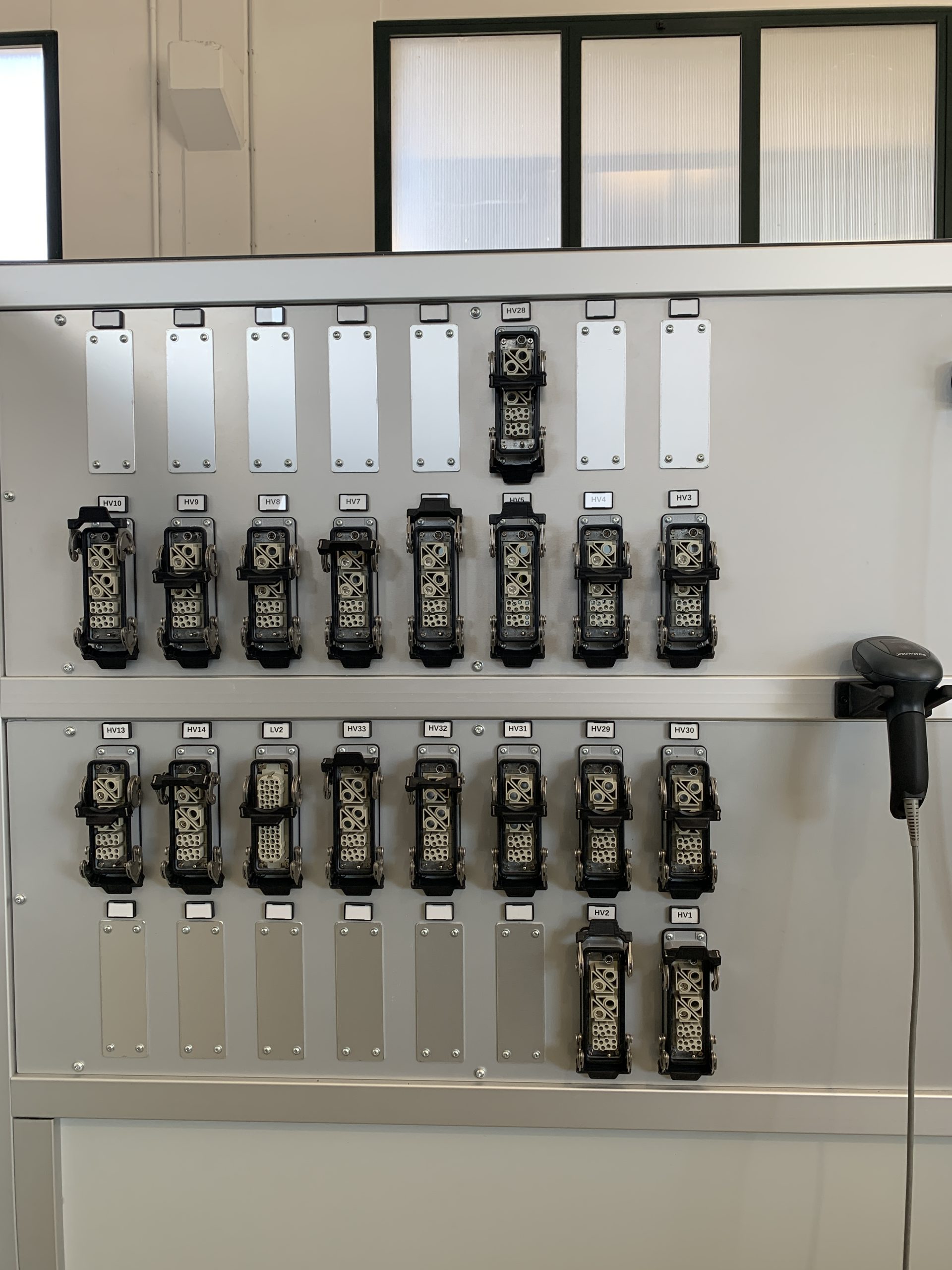
- PDU fixing system with repeatable positioning via a trolley with a slide guide for controlled insertion
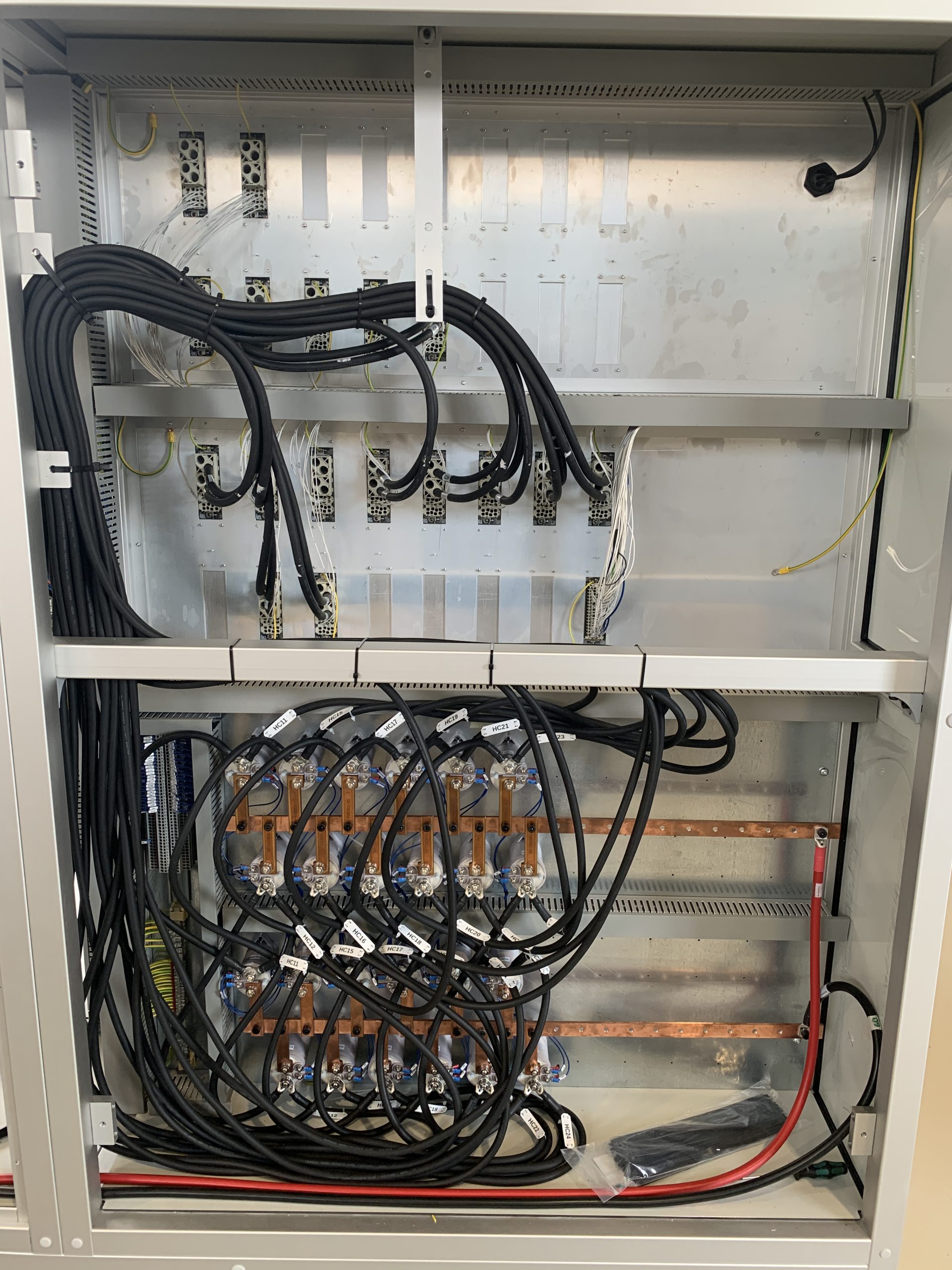
- Contact frame for high-current copper busbars
Safety System
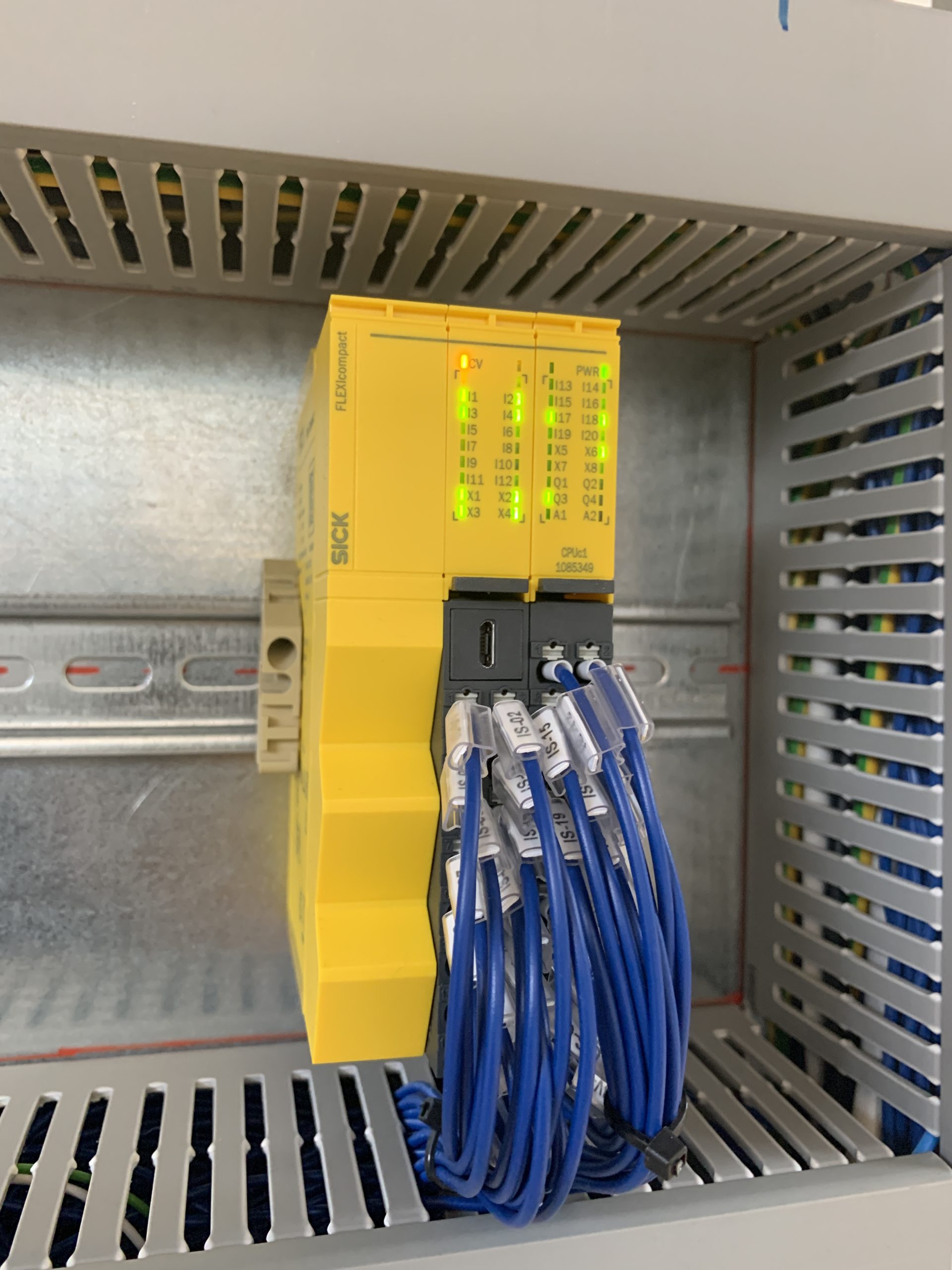
The bench implements a redundant safety system compliant with the Machinery Directive.
Safety components:
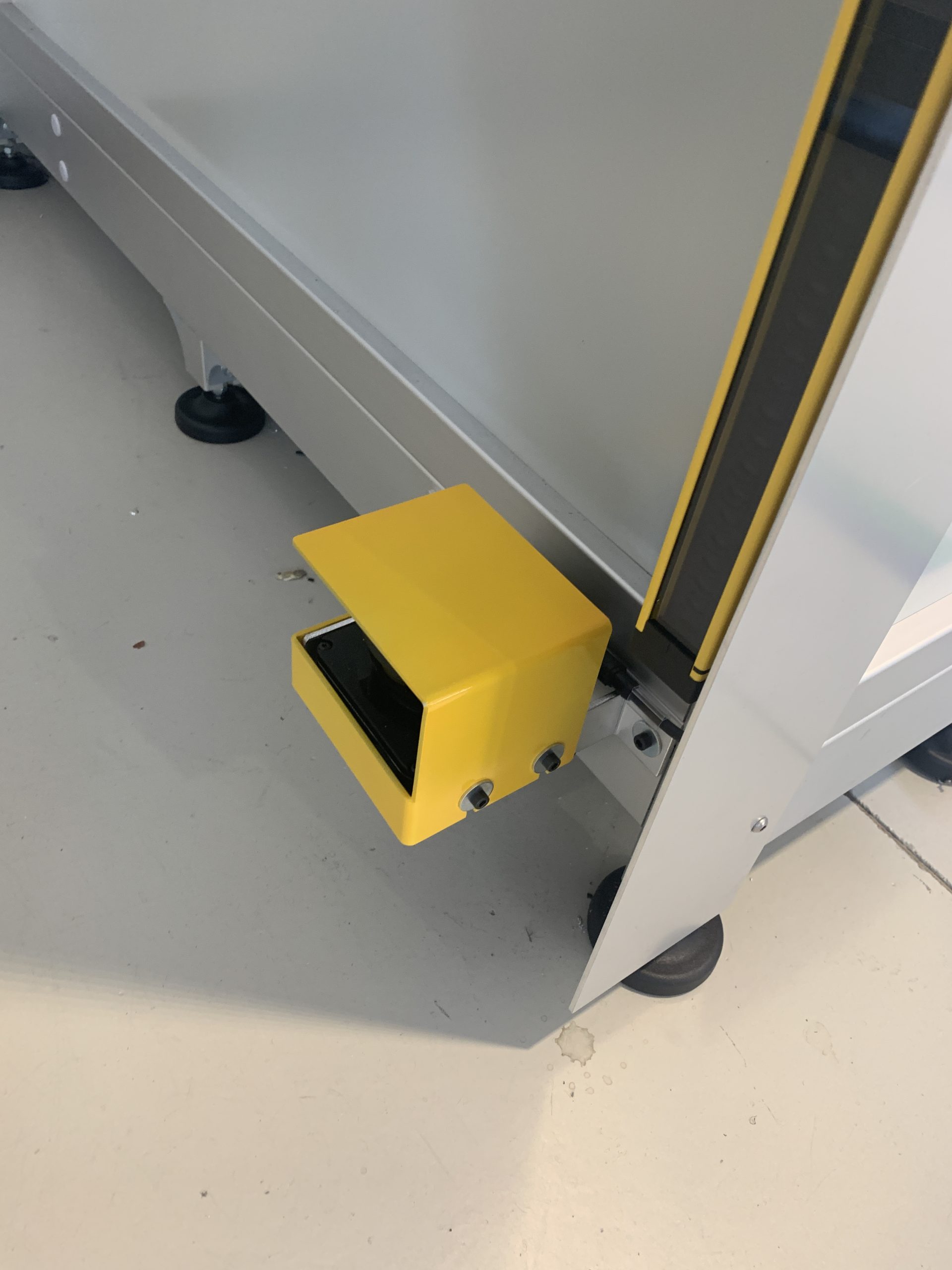
- Optoelectronic safety barriers positioned at the entrance of the work zone
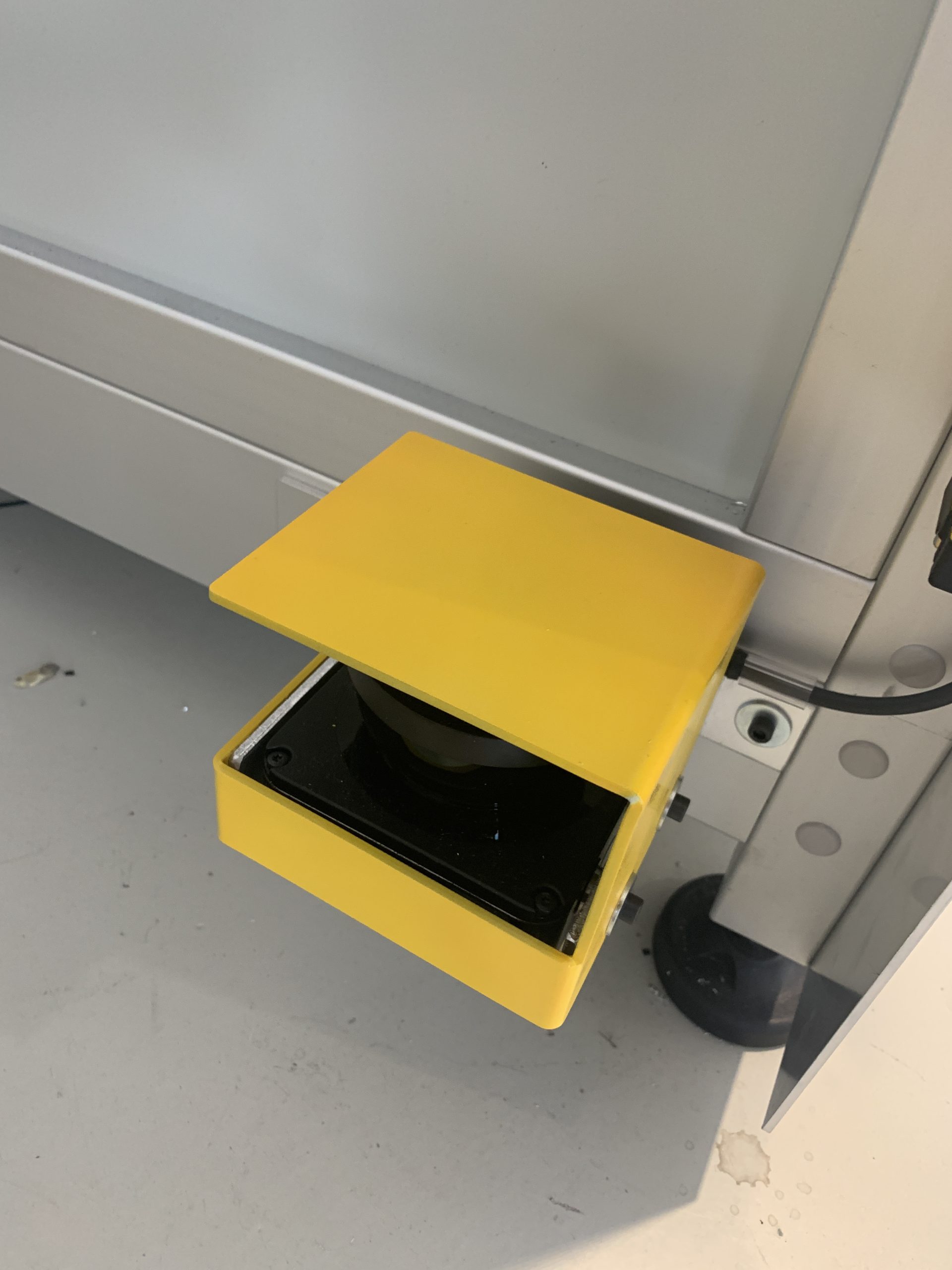
- Safety laser scanners: Two laser scanners for three-dimensional detection of operator presence (leg detection at floor level)
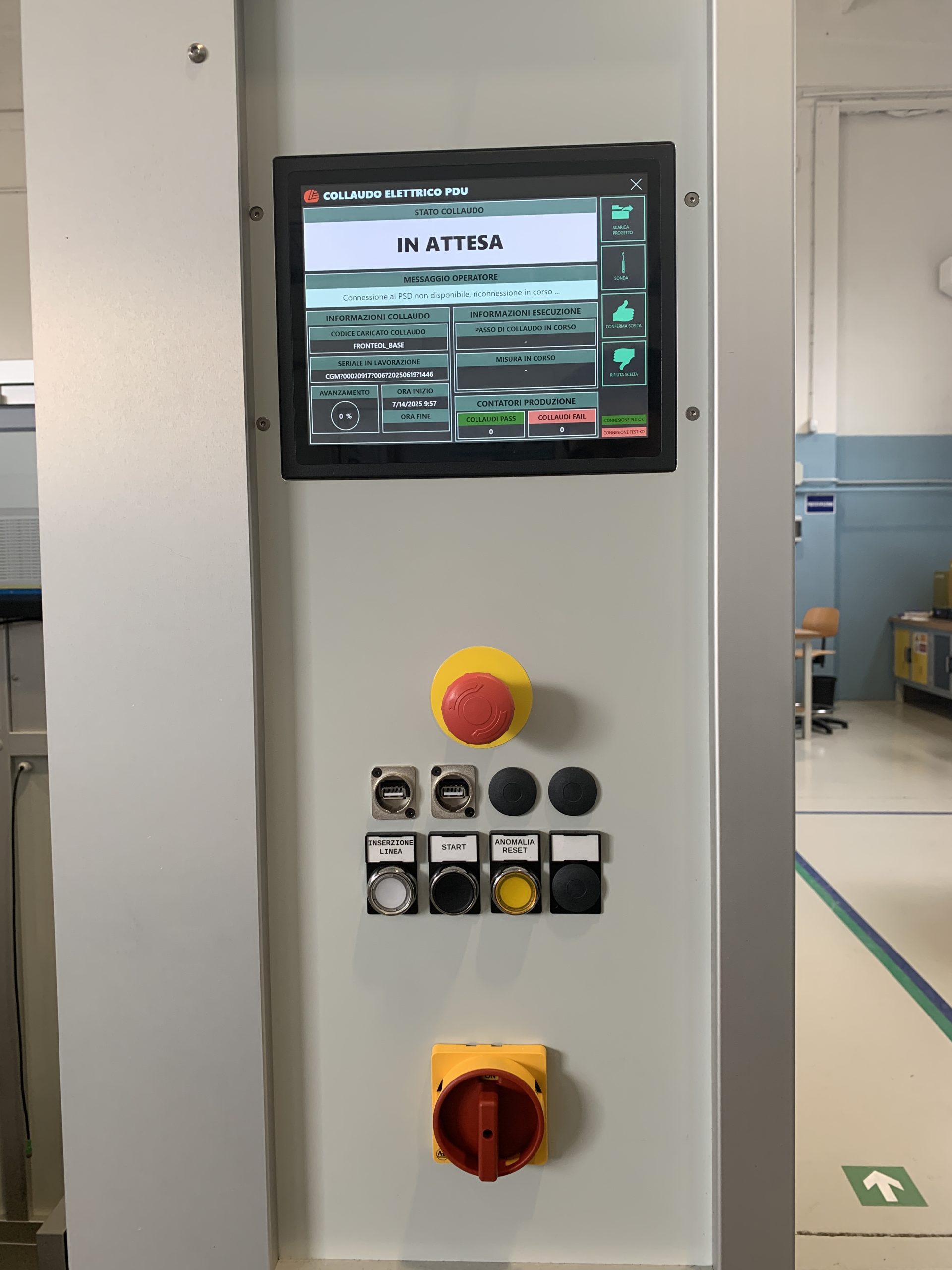
- Emergency stop button accessible outside the work zone
- Safety sensors mounted on the rear panel doors of the bench, to prevent dangerous voltages from being applied with the cabinet open
- Electromechanical interlock: In addition to the safety features integrated in the devices, when the safety line is inactive the bench disconnects dangerous voltage lines through mechanical contactors
The system ensures that access to the hazardous zone is impossible during high voltage testing, with immediate safe shutdown in the event of perimeter violation.
Test Capabilities and Instrumentation
High Voltage Testing (HV)
Technical specifications:
- DC voltage range: 0–1500 VDC
- AC voltage range: 0–1000 VAC (50/60Hz)
- Test current: < 40mA AC and < 10mA DC
Tests performed:
- Component insulation vs. ground
- AC/DC dielectric withstand
- Insulation resistance (IR test)
Low Voltage Testing (LV)
Tests performed:
- Circuit continuity
- Short circuit detection
- Passive component verification
- Diode and polarity testing
High Current Kelvin Measurements
Technical specifications:
- Test current: up to 100A
- Configuration: 4-wire Kelvin
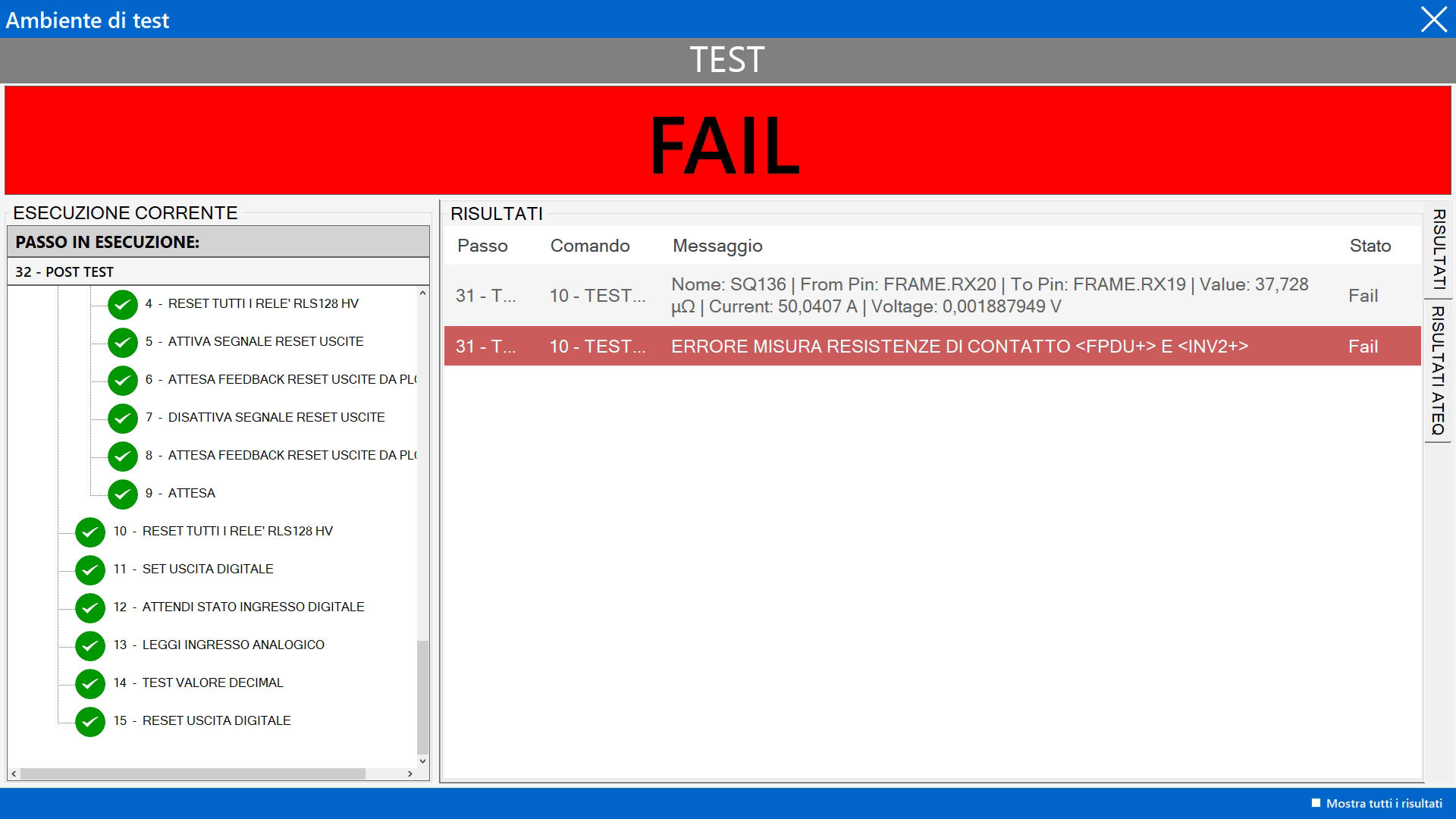
Application: Contact resistance verification on power busbars via a dedicated contact frame mounted on the PDU housing. The 4-wire configuration eliminates the influence of cable and contact resistances, ensuring accurate measurements even in the milliohm range.
CAN Bus Testing
Tests performed:
- CAN bus communication presence verification
- Programmed message send/receive for configuration and verification of the installed board
- Complete CAN traffic logging
Component Functional Testing
Functions tested:
- Relays and contactors (activation and release verification)
- Relays activatable via a dedicated timed special cycle
Test modes:
- Single and sequential activation
- Current absorption verification
- Contact continuity verification
Test Software and Data Management
Software Architecture
Dual-station software system with functional separation between the operator workstation and supervision:
Operator Workstation (Test Station):
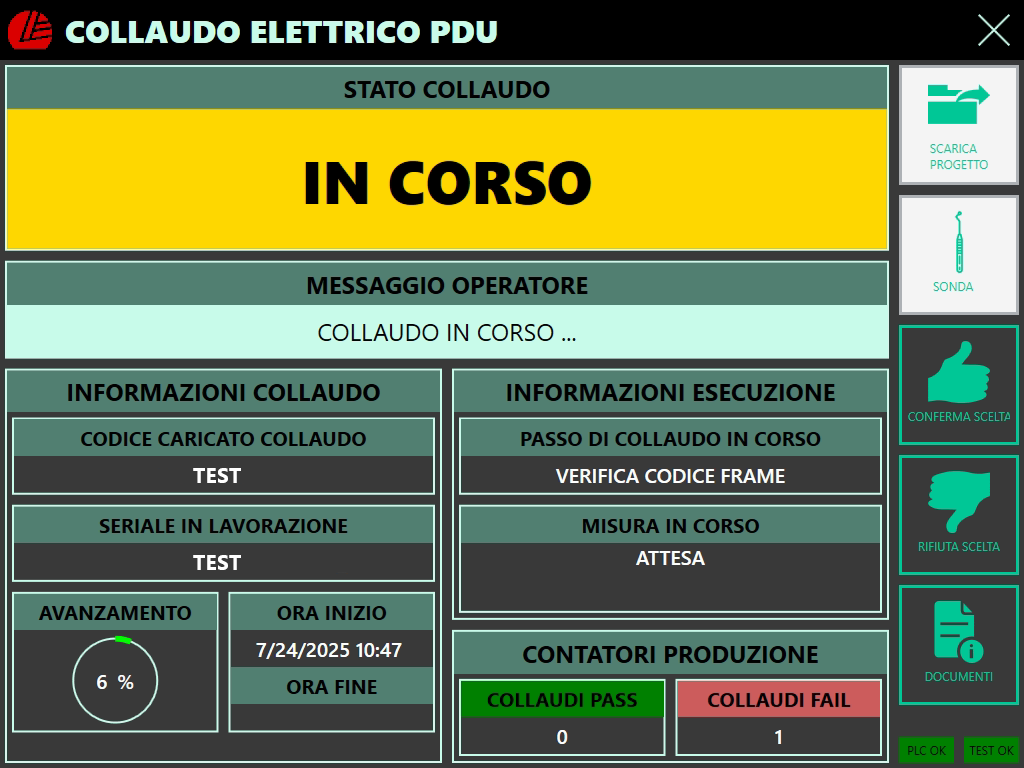
- Guided user interface for the test cycle
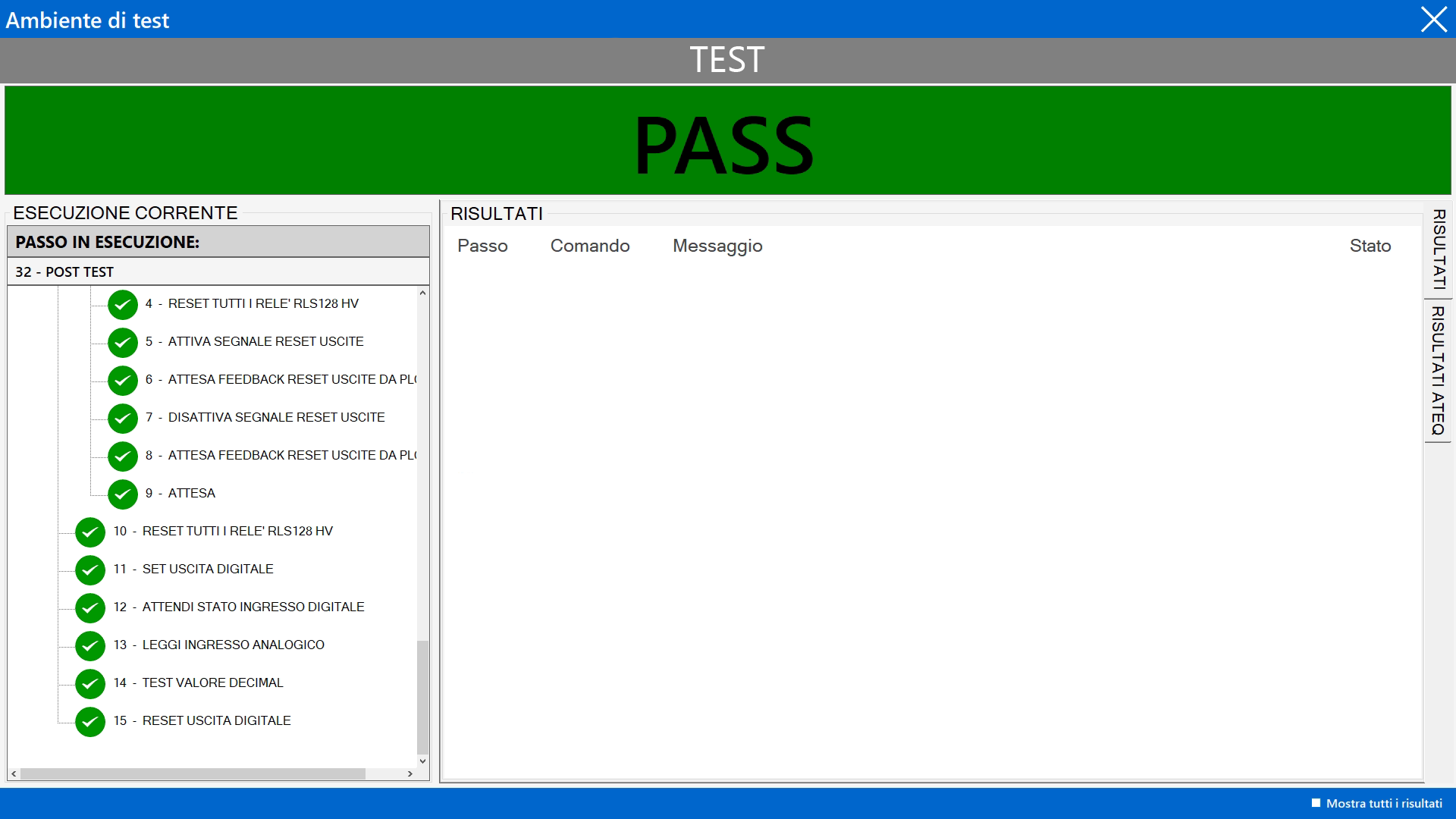
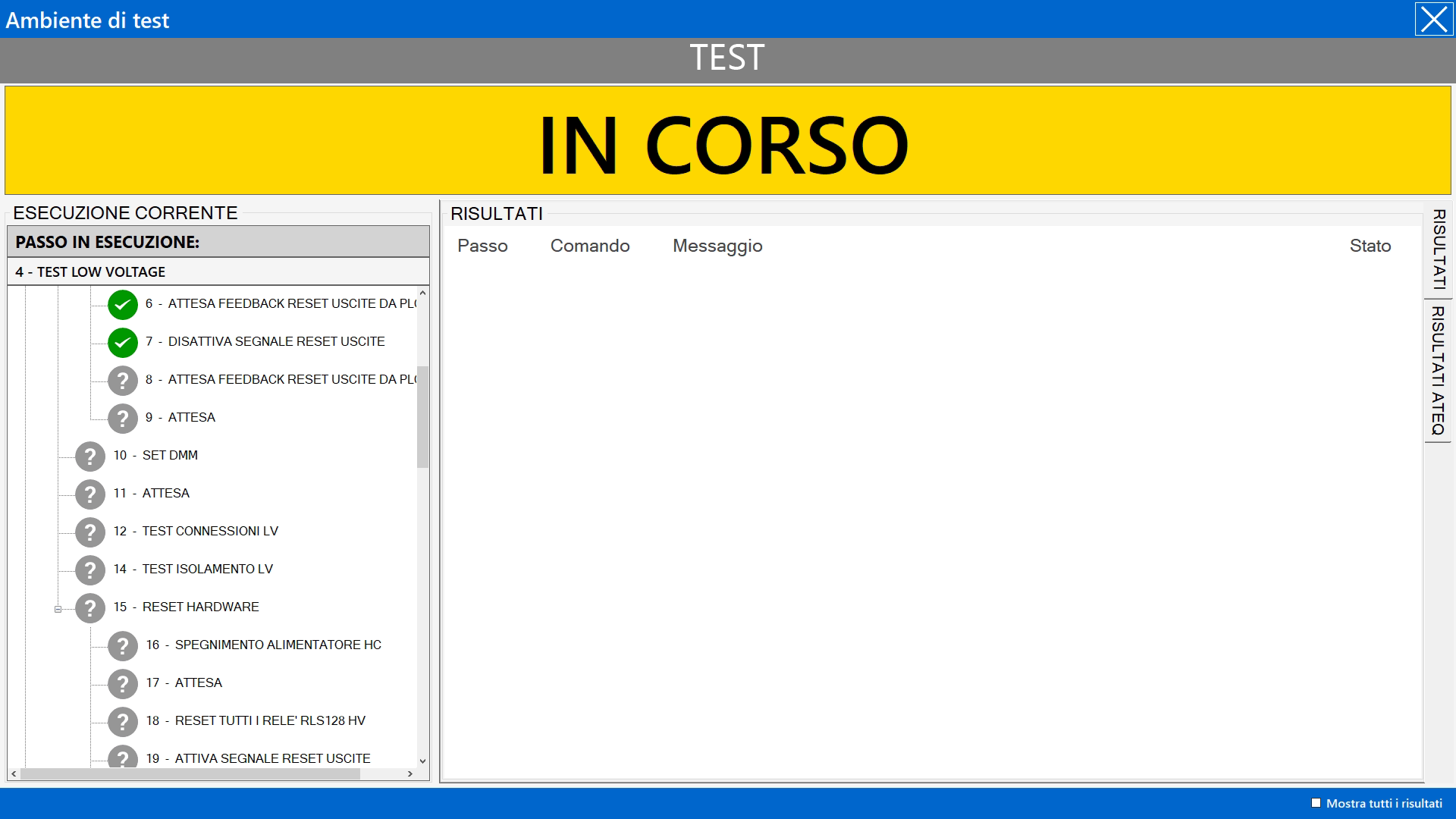
- Automatic execution of test sequences
- Real-time display of measurements and results
- Management of outcomes and non-conformities
- Test report generation
Supervisor Workstation (Remote Station):
- Real-time test status monitoring
- Recipe loading into the Test Station via dropdown menu or barcode identification
- Remote control of the Test Station for special functions (probe, operator confirmations, etc.)
- Test program management
- Customisable test sequences
- Configurable parameters and limits
- Configuration import/export
Database and Traceability
The software stores data in an SQL database.
Stored data:
- Unique PDU identifier
- Test start/end timestamp
- Results of each individual test (measured value, min/max limit, outcome)
- Alarms and events